

The School of Ms. Barn Owl
April 10 – April 17, 2024 | La Unión, Antioquia, Colombia

In April 2024, the mountains of La Unión, Antioquia vibrated with birdsong and community participation thanks to “La Escuela de Doña Lechuza” or “Mrs. Owl’s School” [translated], an environmental education project led by the nonprofit organization, Parajando en las Alturas. With activities aimed at students from the San Miguel Santa Cruz Rural Educational Institution, an elementary school, this project stood out for its inclusive and creative approach, creating a community where art, nature, and ecological restoration inspired impact across generations.
The project also involved residents of the Conchita Osorio Senior Citizen Home Farm, who participated in workshops tailored to their needs with the support of young volunteers from the final year of Colegio Nuestra Señora de las Mercedes. During the events, residents painted birds, created masks, and shared stories about local species such as the Currucutú and the Chicagua. Owls, symbols of wisdom and guardians of ecosystems in Andean tradition, inspired the project’s name and its focus on the connection between culture and nature.
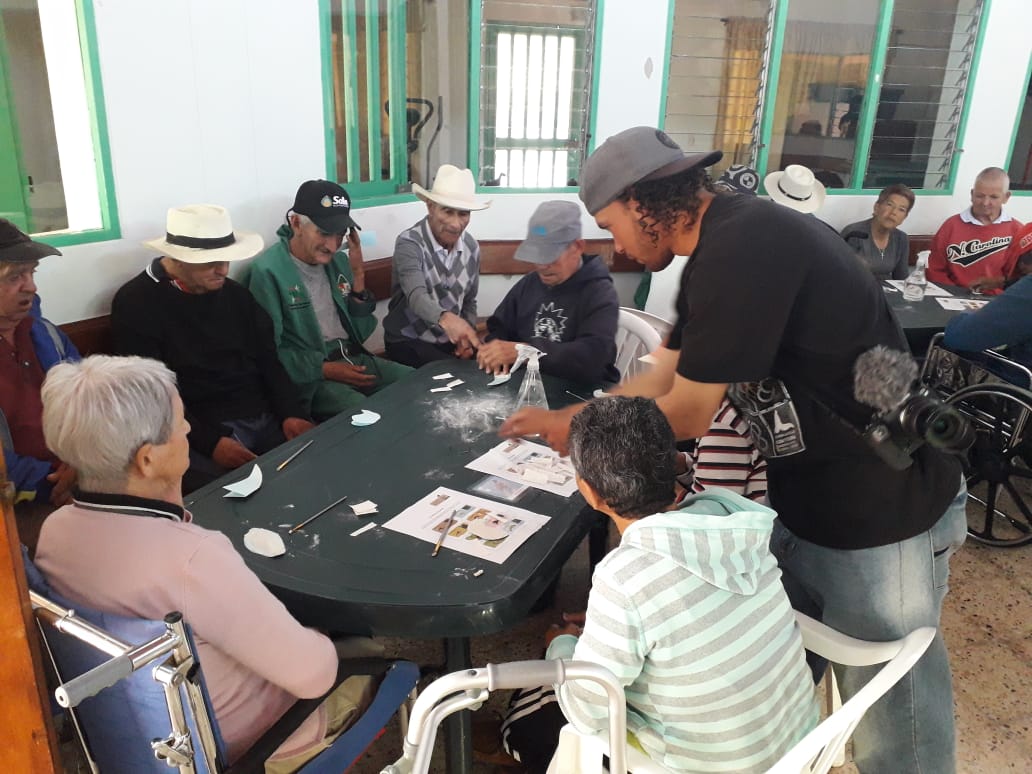

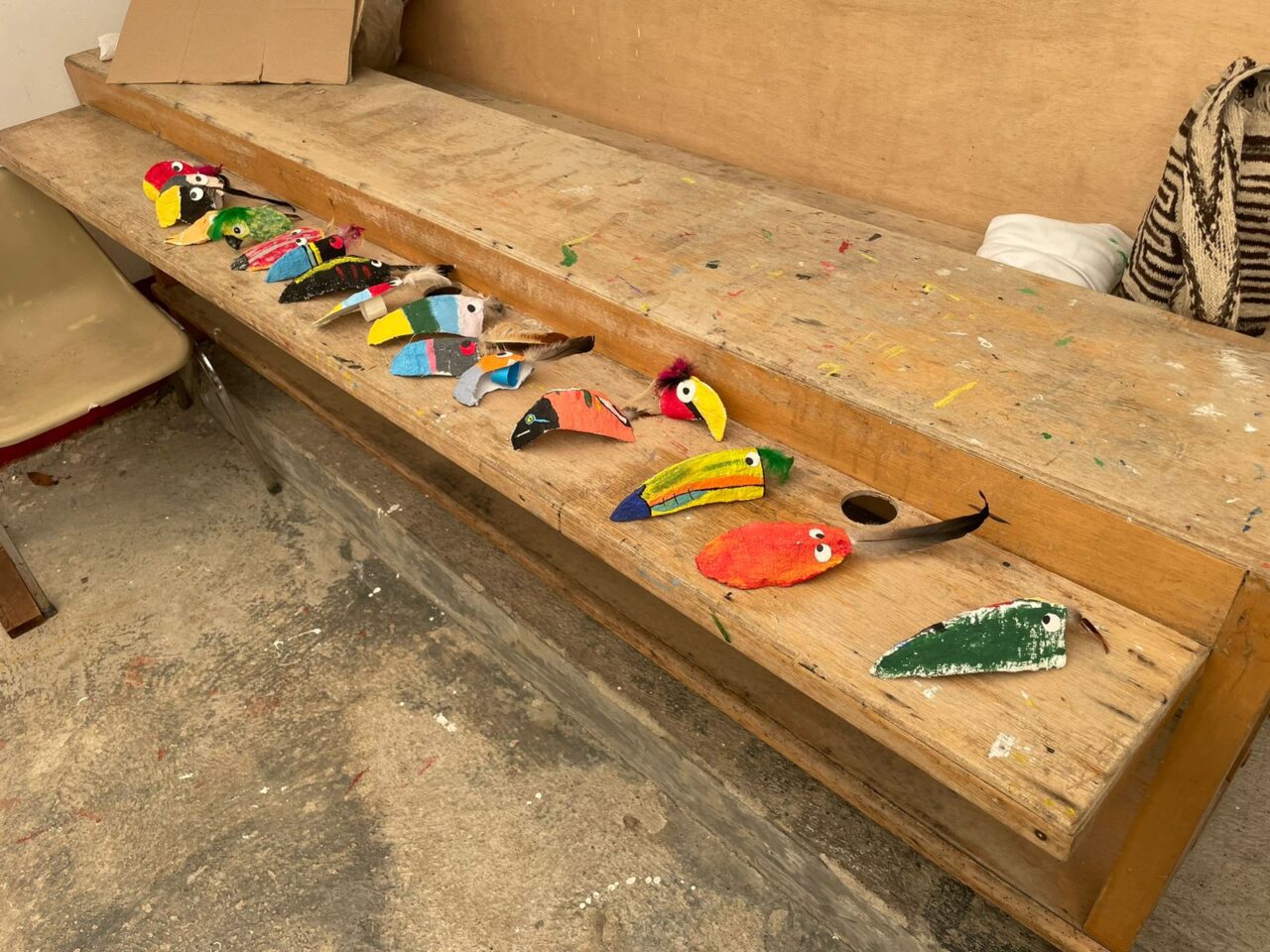
Doña Lechuza’s classes also took place at the Unión por el Ser Diferente Foundation, where nearly 20 young people with cognitive disabilities had the opportunity to participate in the workshop “Our Beaks Make a Difference.” Participants in this activity created beautiful plaster beaks of some of the birds that live in the municipality, showing us that, just like birds’ beaks, our differences as human beings make us unique.
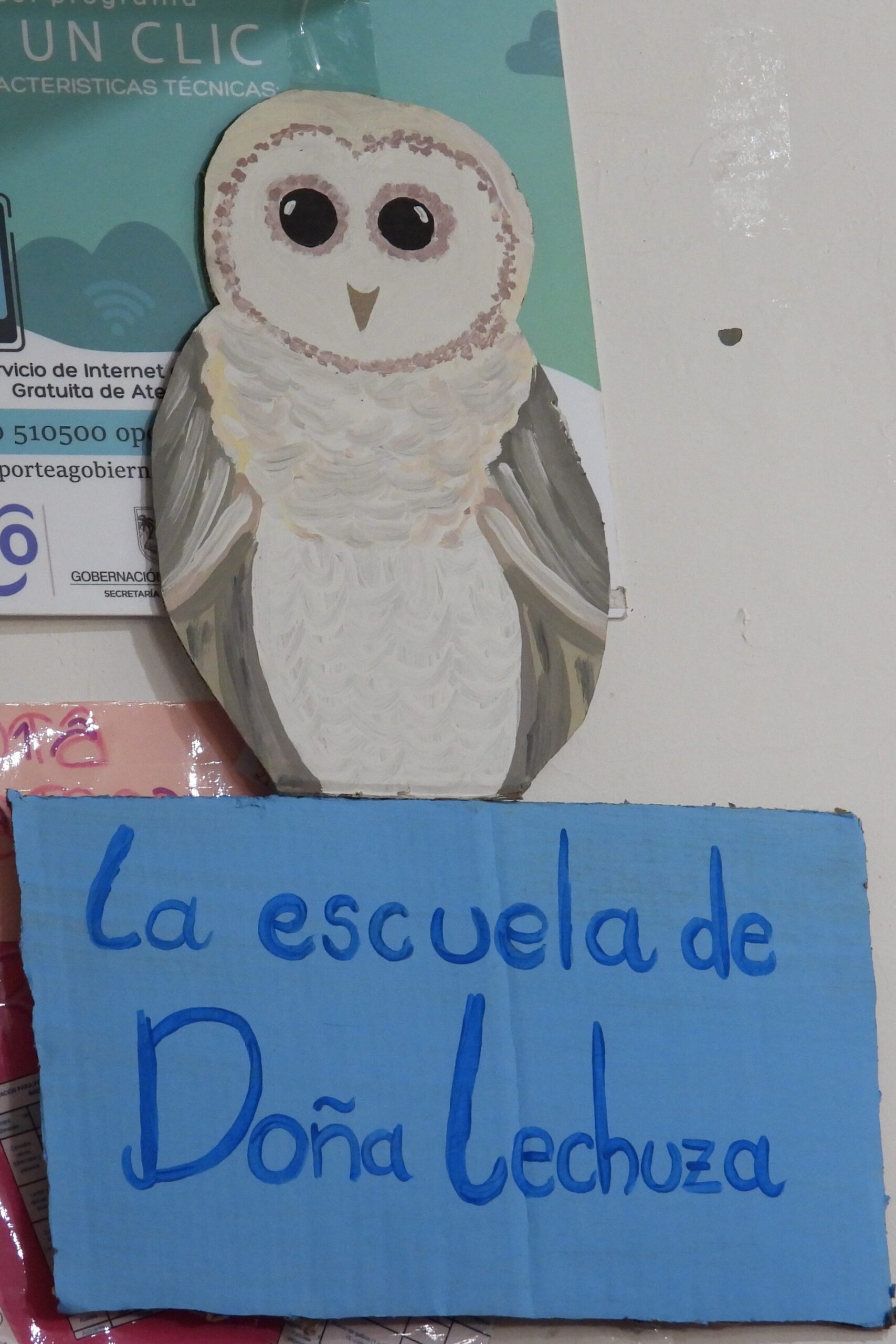
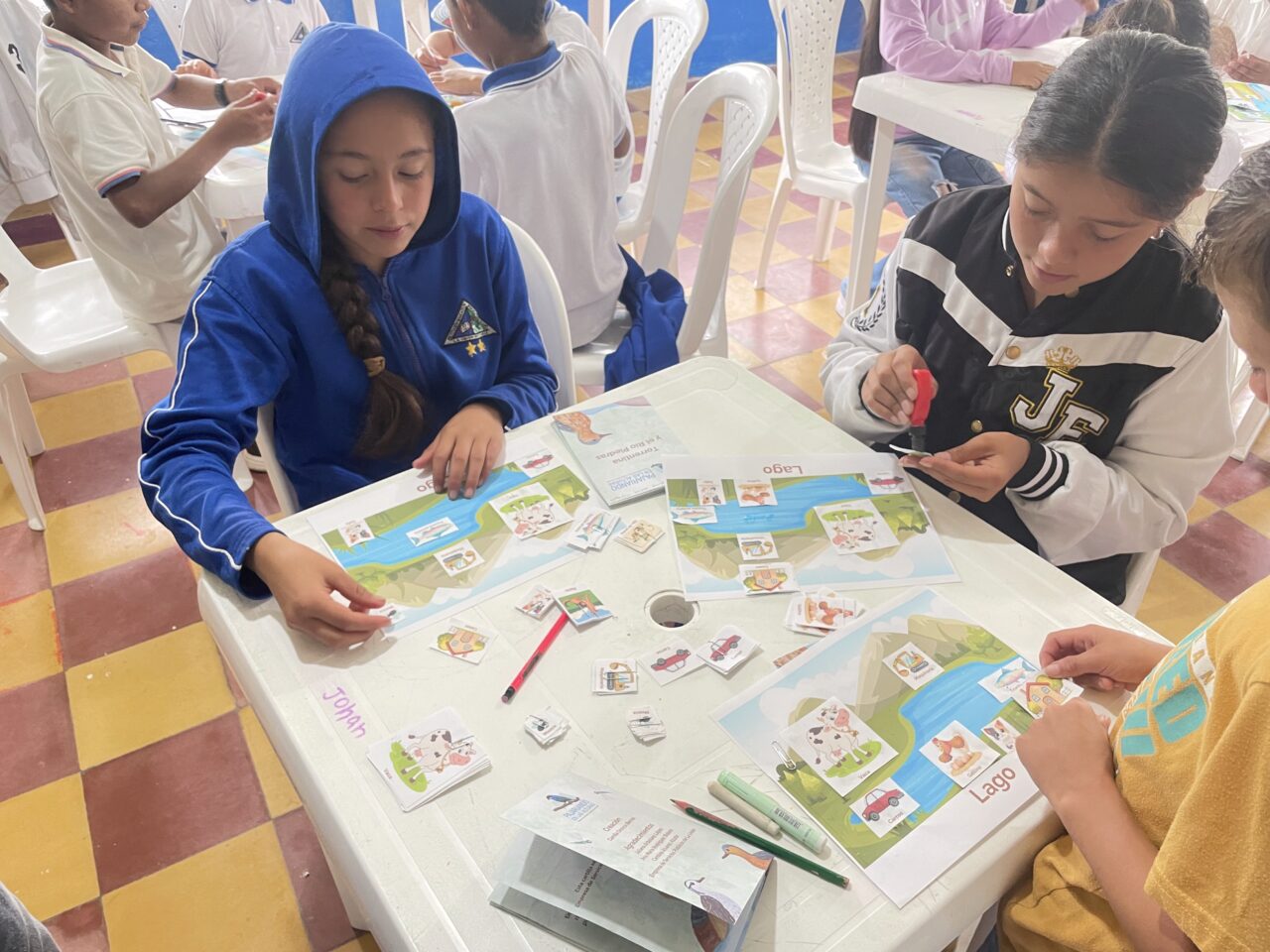
The project’s symbol, Doña Lechuza or “Lady Owl”, is a charismatic bird character who accompanies participants on a learning journey about the natural history of birds, their evolution, some of their adaptations, and conservation in a playful and innovative way. Each workshop at her school is accompanied by a fun, tactile activity to reinforce the lesson.
The first meeting explains the evolutionary connection between owls and dinosaurs, followed by a discussion about the owls participants are familiar with. Most people quickly recognize the Currucutú, which brightens the nights with the onomatopoeic sound of its name: “Cuuuuuu-rrucutú.” In the second meeting, “Our Beaks Make a Difference,” participants delve into the wonderful world of evolution and adaptations, understanding how the different beak shapes of different species have a purpose, depending on each bird’s environment and needs. In the third session, participants have the opportunity to learn about the evolutionary history of bird feathers, identify different feathers and their parts using a stereoscope, and draw them with lots of color and creativity. During the fourth session, Doña Lechuza raises awareness about coevolution and the specific roles each organism plays in the complex ecological web that constitutes ecosystems. This session also discusses conservation and the challenges facing local birds, as well as what the community can do to contribute to their conservation.
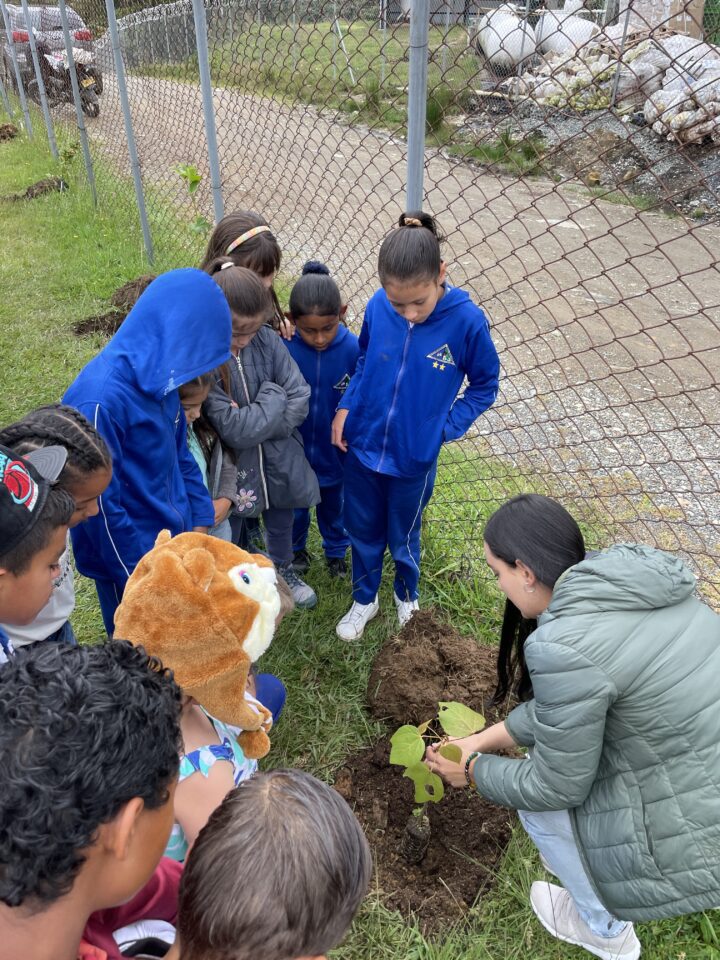

La Escuela de Doña Lechuza’s students also had the opportunity to help create habitat for the birds, as seen in the photos above. They planted native plants on their school property with labels of their respective names to serve as refuge and food for the local birds.
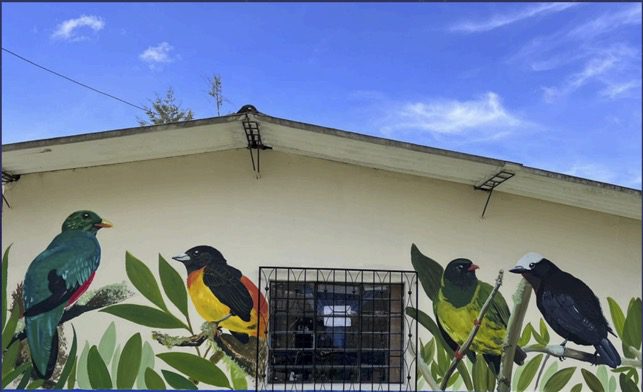
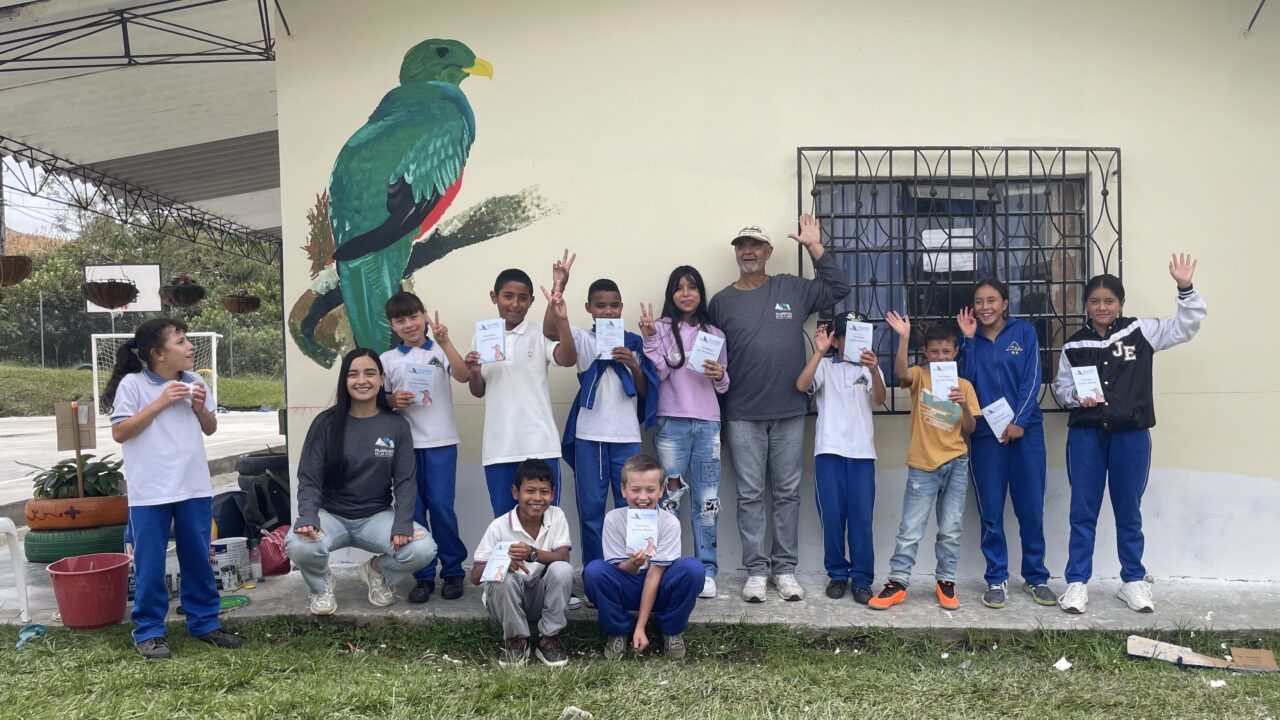
Art is a form of territorial appropriation that, like birdwatching and community science, fosters the recognition and conservation of biodiversity. With the support of artist Yeison Toro, students at the San Miguel Educational Institution created a mural of the most representative birds of the San Miguel neighborhood. With paintings of a Golden-headed Quetzal (Pharomachrus auriceps), a Silver-billed Toche (Ramphocelus flammigerus), a Green-and-green Fruiteater (Pipreola riefferii), and a Mountain Chicken (Sericossypha albocristata), students will be able to feel closer to birds every time they go to school. Art as a way of recognizing and appropriating biodiversity also reached the Unión por el Ser Diferente Foundation through a mural created by volunteer artist Beatríz Pérez, who created a masterful work at the institution, representing more than 10 species that inhabit the municipality.



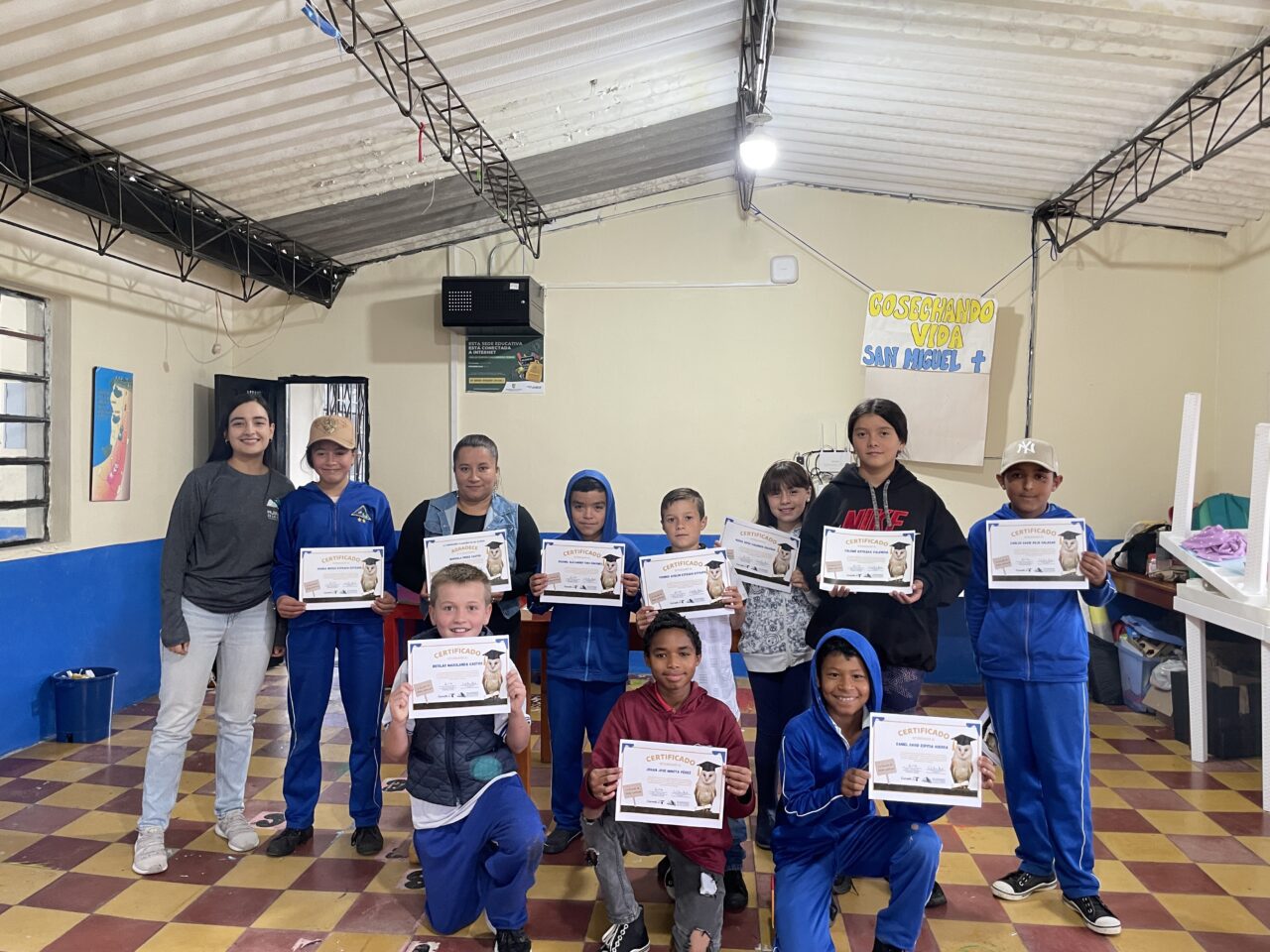


La Escuela de Doña Lechuza did not only teach locals about their winged neighbors but also how to restore ecosystems, revive cultural practices, and foster hope for a sustainable future in a fun, accessible, and memorable manner.
Written by Lani Lin-Kissick — lkl34@cornell.edu
Edits by Camila Orozco