

Inclusive Environmental Education: The Importance and Personal Impact for Children with Special Needs
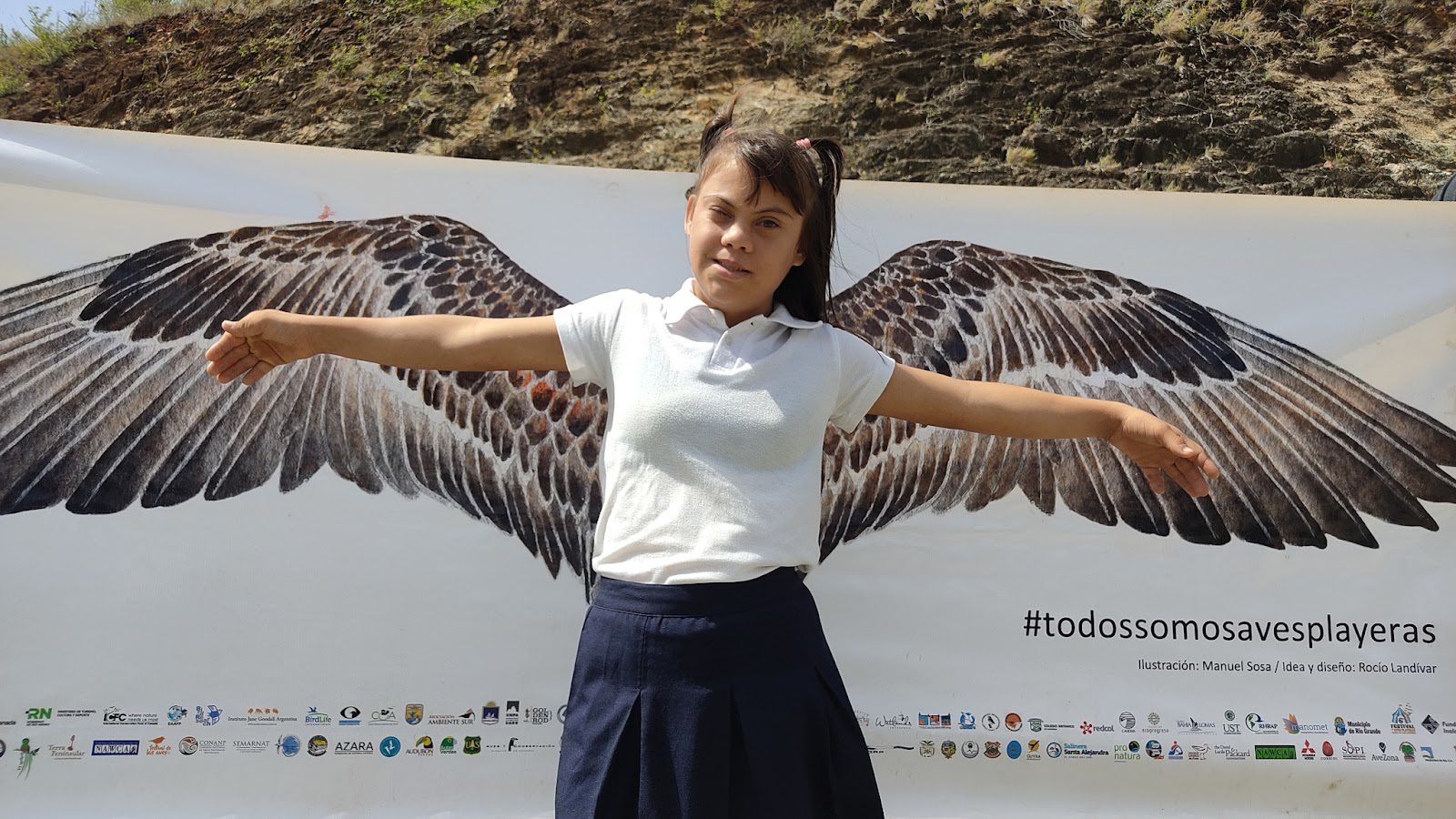
Involucrando Niños Especiales en el Conocimiento de las Aves (Involving Special Needs Children in Bird Knowledge) is a conservation, inclusion, and love initiative that uses bird observation and appreciation as a socializing element for children and young people with special needs. The connection with the environment, especially human connections. This initiative has been led by Jemimah Rivera, a conservation biologist, who, together with her mother, educational psychologist Leonidas Reyes, and her father, Jairo Rivera, launched it in 2021. Part of their work is expressed in her essay*:
“We want to nurture [in the kids] environmental intelligence through the observation of birds in aquatic and terrestrial habitats, nurturing creativity and critical thinking through drawing, painting, and musical activities, where they practice motor skills and physical activities outdoors, promoting environments that foster socialization and stimulate language, encouraging critical thinking and creativity in the natural environment as a socializing medium. The results of this first stage showed greater integration of children with their families and a better understanding of their needs from their parents to achieve their full inclusion in the future.“
In 2024, Involucrando Niños Especiales held numerous educational workshops in educational institutions to introduce or reinforce the importance of inclusive environmental education, especially surrounding the local birds. The events held impacted a total of 86 people: mostly kids with special needs, but also their companions, specialists, and school administration as well. The team at Involucrando Niños Especiales is very grateful for all the participating students and the people and schools who care about them and participated in these activities together.
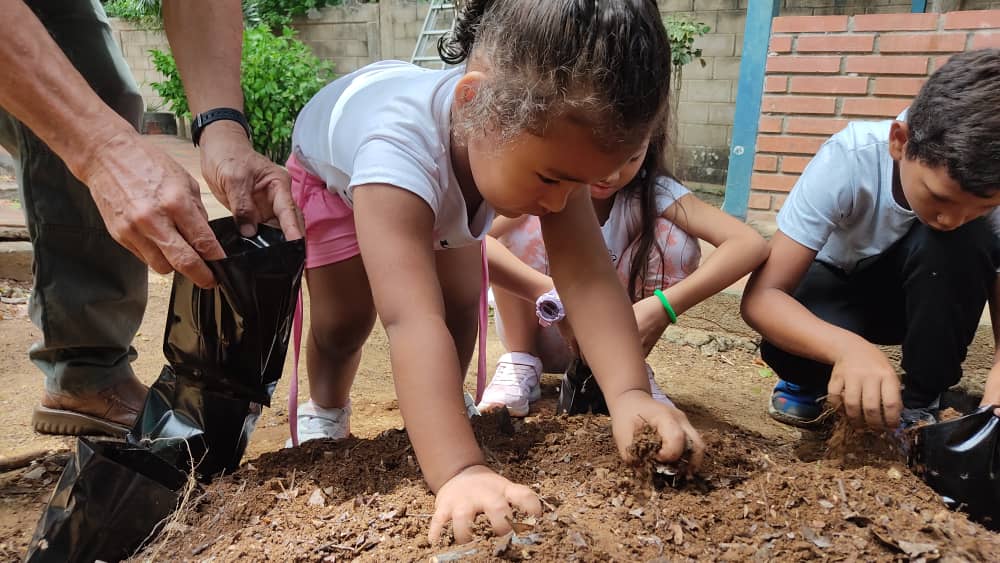
The programs began in April, World Autism Awareness Month, and the organizers embraced the month’s inclusive spirit by preparing seven impactful events between April and the beginning of July. The first event was held at La Universidad Nacional Abierta with five young participants and their adults. This event was very intimate and personally impactful. They practiced identifying native trees and their importance in the ecosystem with interactive materials created by the coordinators. Afterward, the children planted no less than 140 kg of seeds from 12 native tree species!
Most of the subsequent events were also relatively intimate, focusing on individual children. Because of this, it is no exaggeration to say that the programs had a significant impact. One young participant, José González, explained, “I really liked seeing the birds nesting in this beautiful place. I have a garden at my house, and I like watching them sing and eat fruit. I really enjoyed the walk.*” Also, Belkis Contreras, Arianna’s father, added, “In our third consecutive year participating in the activities, we can confess that it has helped Arianna a lot in interacting with others, and for us, who did not know or understand these wonderful places, it has made us more aware of the natural environment. Thank you very much for everything you do.*”

Three other events combined birdwatching with artistic activities such as drawing, mosaics, and music. At Cerro Matasiete, they visited the area surrounding a historic hill where part of the battle that helped the island gain independence from the Spanish regime took place to learn more about the flora and fauna in the mountains. Other hiking events took place at Cerro La Libertad and Cerro Copey.
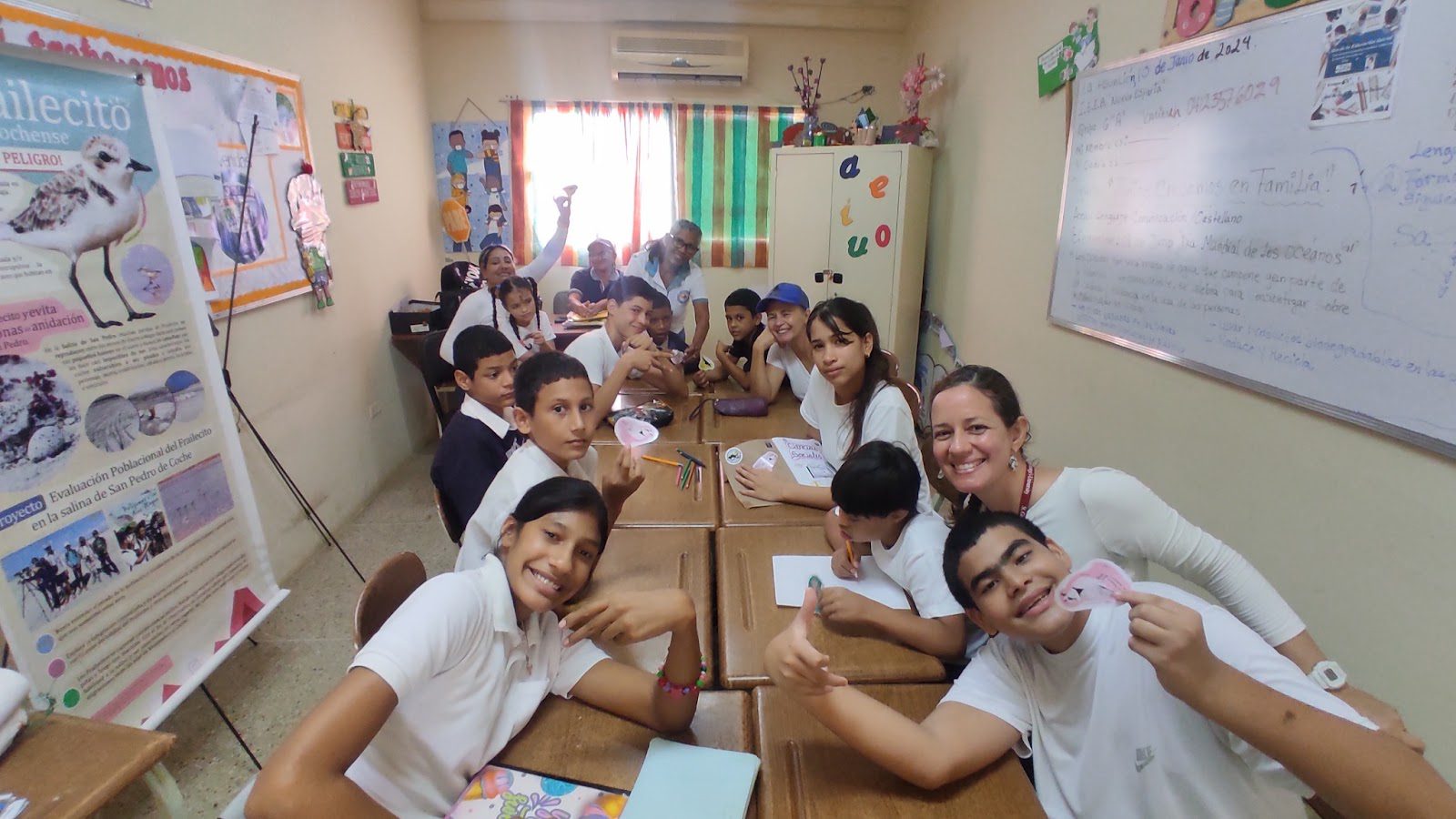
May 10th marked the organization’s first collaboration with a special school—La Escuela Especial Nueva Esparta—, and it was a truly magical moment, filled with creativity and excitement. Involucrando Niños Especiales en el Conocimiento de las Aves continues to lead another event with this school in the same month. The first event within a secondary school for young people with special needs was the Marisol García Workplace Workshop. Each event was tailored to individual needs, fostering inclusion, mindful observation, and personal development through the natural environment and art. The events were held in rural communities as well as in institutions, special schools, elementary schools, and universities. Collaborating with educators in a variety of ways to include children with special needs in conservation and birdwatching is nothing short of integral to their empowerment to become engaged, confident, and curious citizens. Regarding the programs, Lic. Del Valle Marín, Director of the Labor Workshop, said:
“I am very grateful to all of you, because I feel that my students have learned and enjoyed the activities a lot. I hope this program continues because it is very necessary at our institution. Thank you.*”
Author: Lani Lin-Kissick — lkl34@cornell.edu