

The Harriet Tubman Freedom Birdwatch: A Celebration of History and Nature
June 19th, 2025 San Diego, CA
June 19th, 2025 | San Diego, CA
The Third Annual Harriet Tubman Freedom Birdwatch is a yearly event held on Juneteenth and throughout the weekend that aims to increase the engagement of people in birding and the outdoors. By using art and culture to share previously untold stories, the event emphasizes the important role of diverse peoples in U.S. history. WorldBeat Cultural Center welcomes people of different cultural backgrounds and age groups in celebration and empowerment. This multicultural, multigenerational event draws participants from the local San Diego community and from as far away as North Carolina, Texas, New York, and Los Angeles.
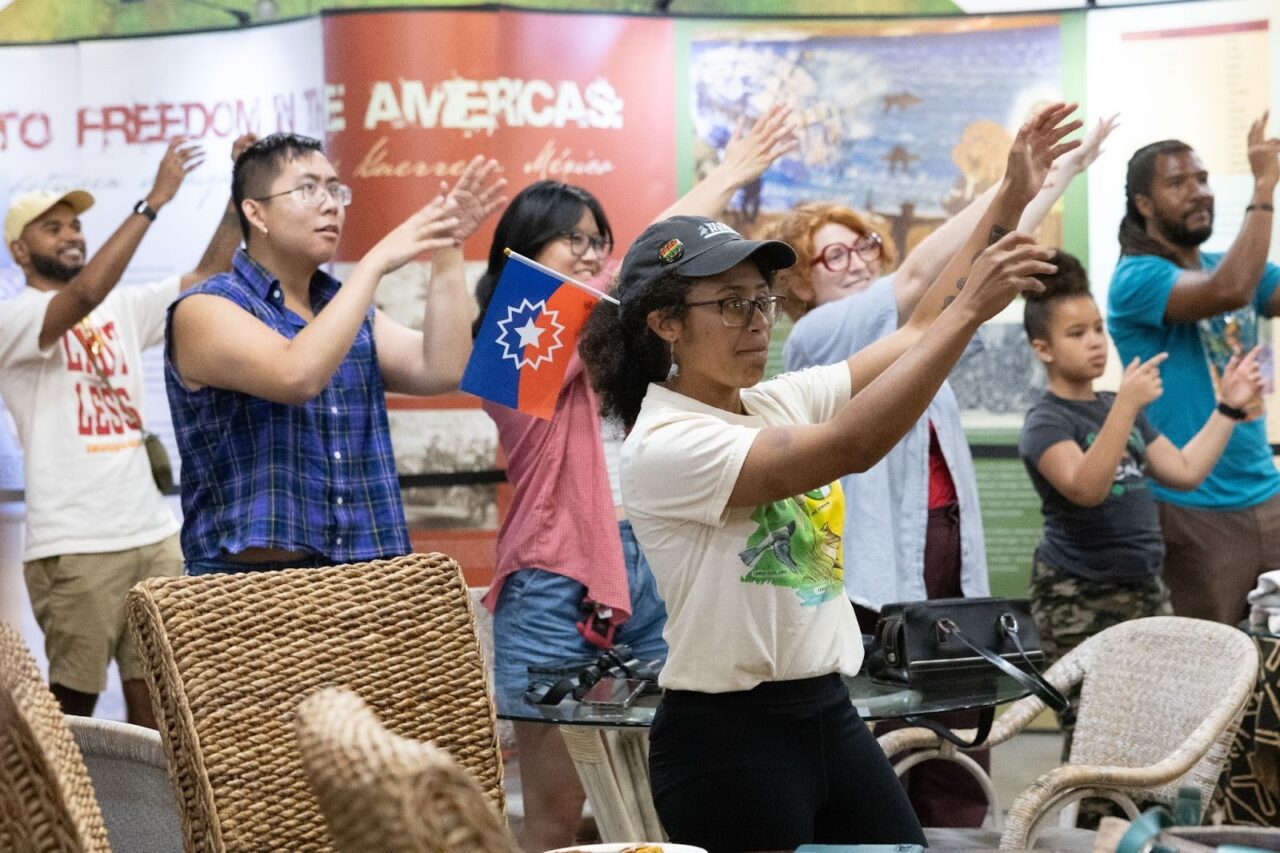
The event began on Thursday, Juneteenth, with an exhibition of quilts and storytelling, and continued through the weekend, which consisted of the annual birdwalk, a meal of traditional foods, and African drumming and dance performances. This event empowers communities to share their own stories, traditions, and cultural heritage, ensuring these important narratives are preserved and passed on to future generations, particularly those of Black, Indigenous, and other communities of color.

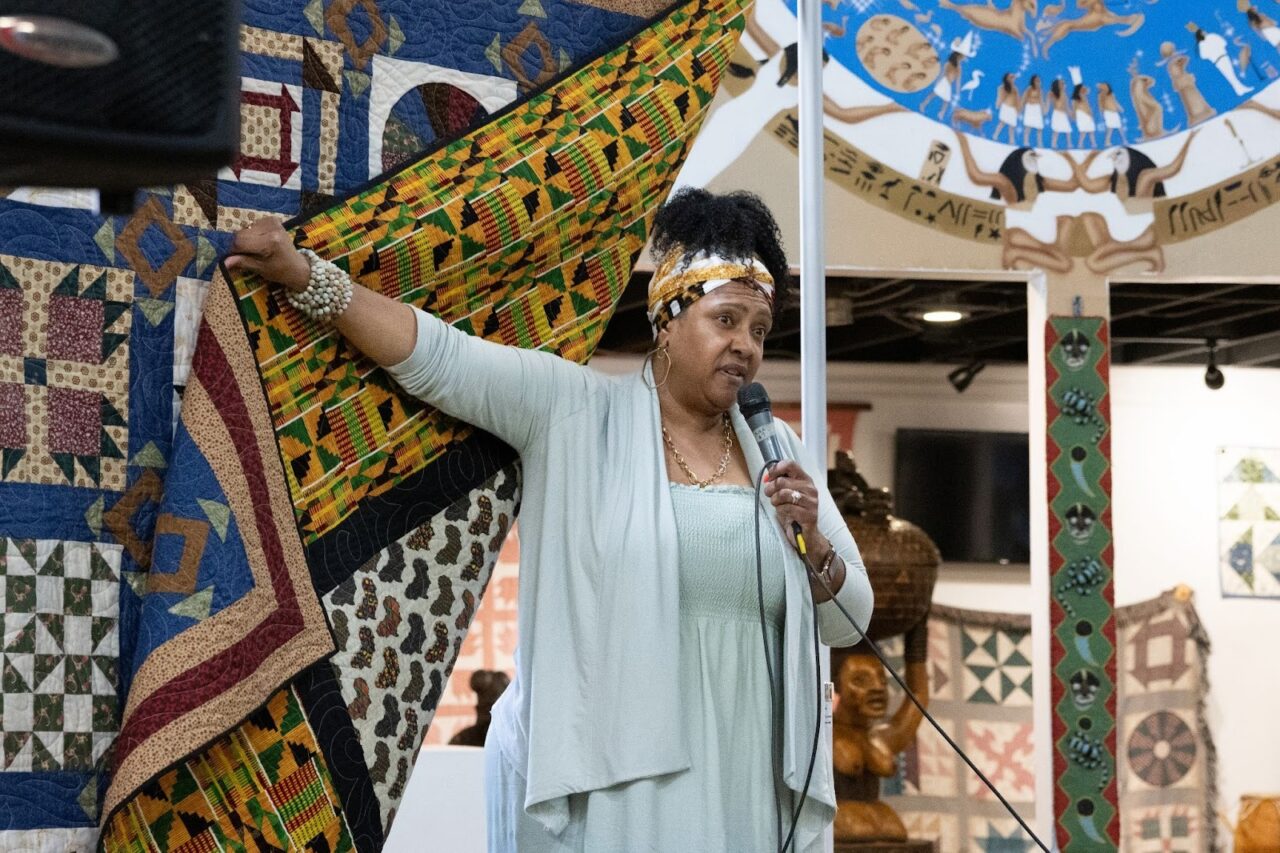
This year, WorldBeat Center kicked off the celebration with a quilt exhibit and an oral history of the Black Seminoles presented by Chief Thomi Perryman, a hereditary chief of the United Warrior Band of the Seminole Nation/John Horse Band and founder of the Warren Perryman Foundation for Native American Research.
The quilts were displayed on porches, which were inspired by symbols believed to have been used by enslaved people as code for escaping along the Underground Railroad. For instance, patterns of the quilt blocks were imbued with meanings such as the “bear’s paw” or “flying geese” are thought to have pointed the way to freedom, while “log cabin” or “bow-tie” blocks may have signaled a safehouse where shelter and provisions were provided. The quilts shown are part of their Threads of Freedom Quilt Exhibit and will remain on display at the WorldBeat. Both the storytelling from local Indigenous communities, the Black Seminoles, and the Red Warriors, along with the exhibit of quilts, illustrate the enduring resiliency of these communities and their fight for freedom.

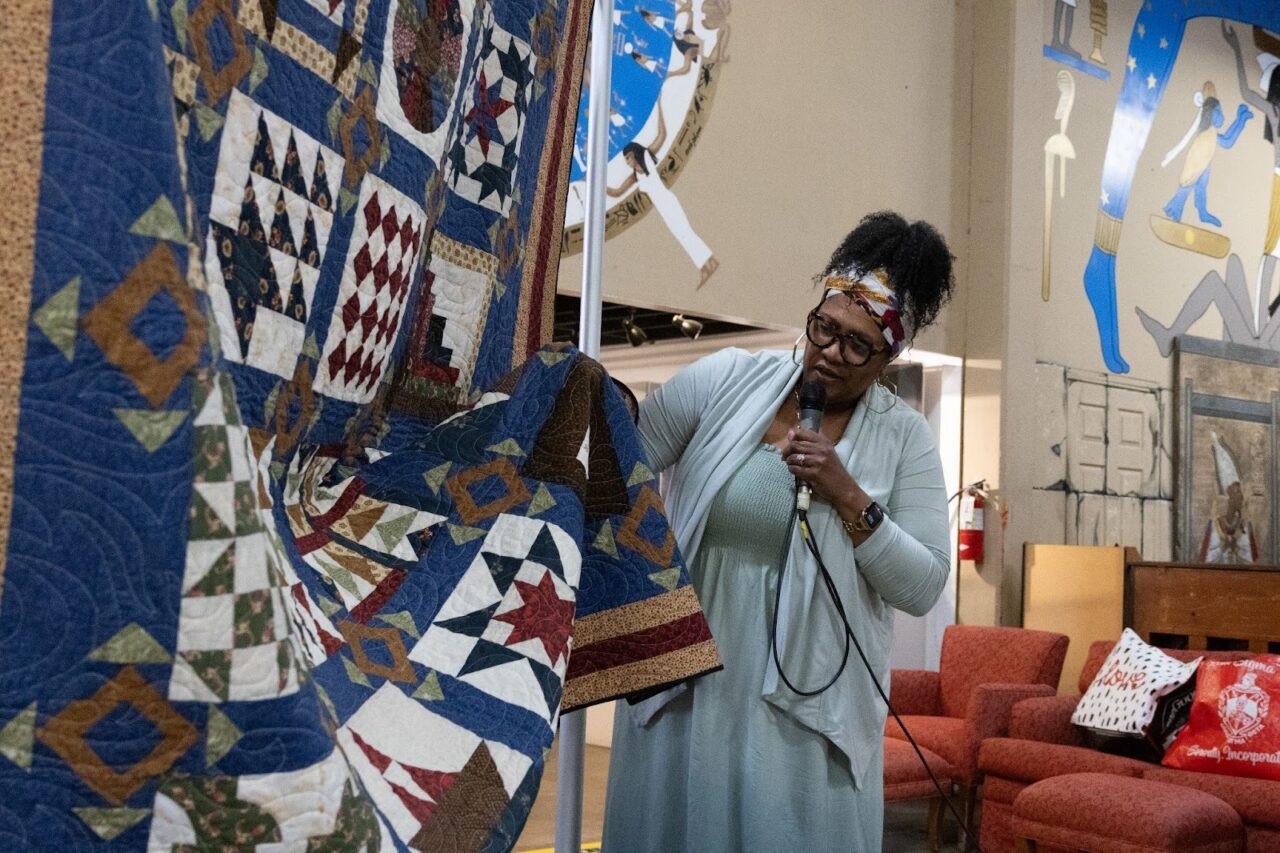
The event is centered on illuminating an aspect of Black history that goes unsung: the legacy of Black people in nature. WBC highlights Harriet Tubman’s connection to the natural world. She used the call of the Barred Owl as a secret signal, and her knowledge of the stars and geography helped guide those escaping along the Underground Railroad. Paired with the quilt exhibit featuring bear’s paw and bird symbolism, nature is not only present in their history, but also a tool that can lead them to liberation.
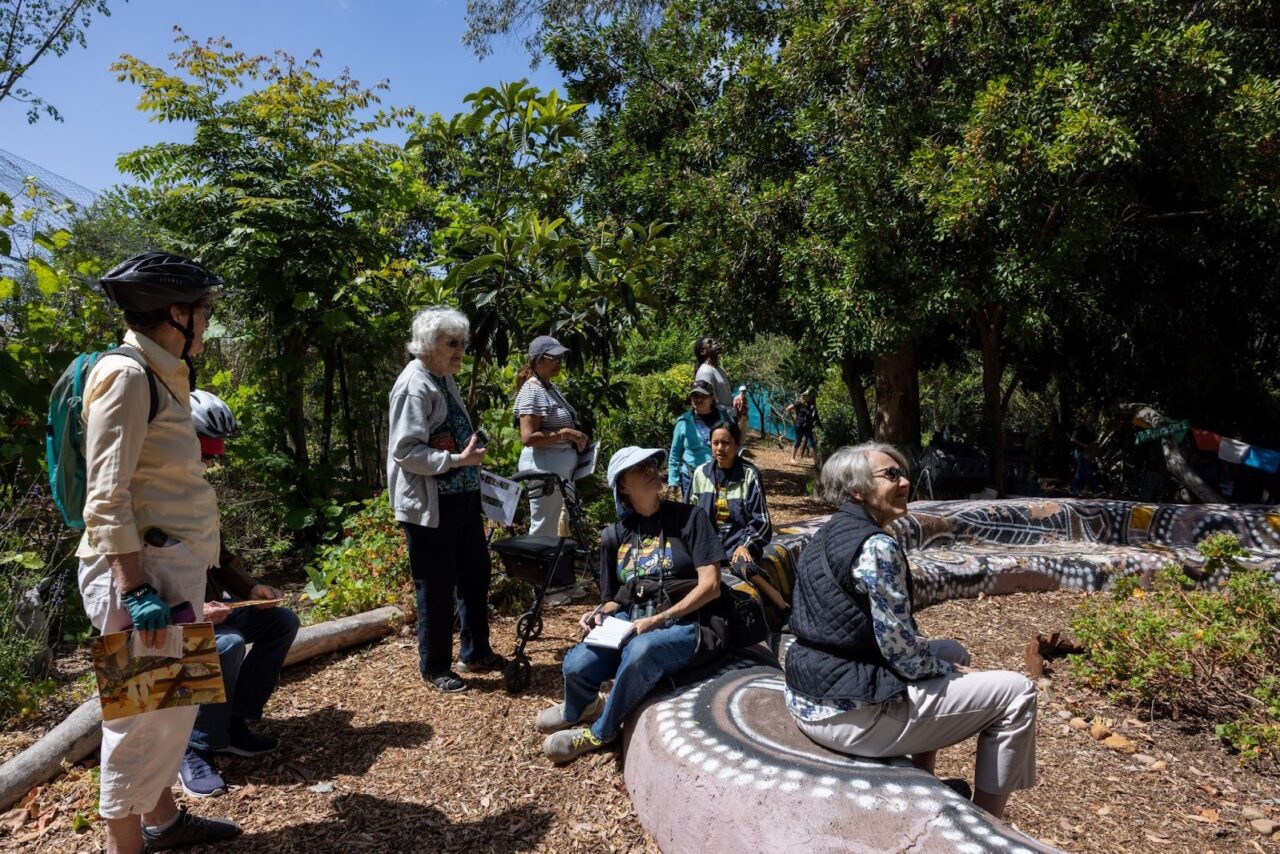
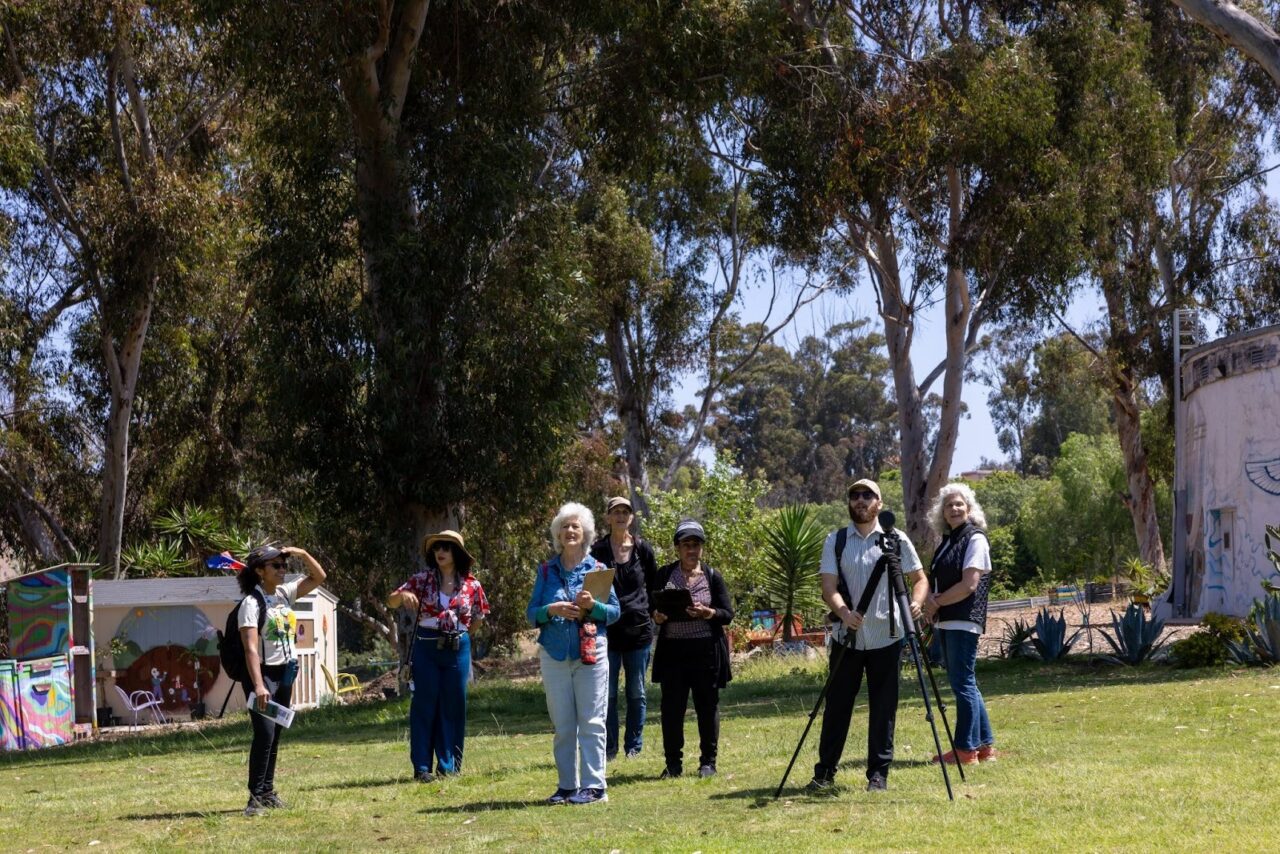
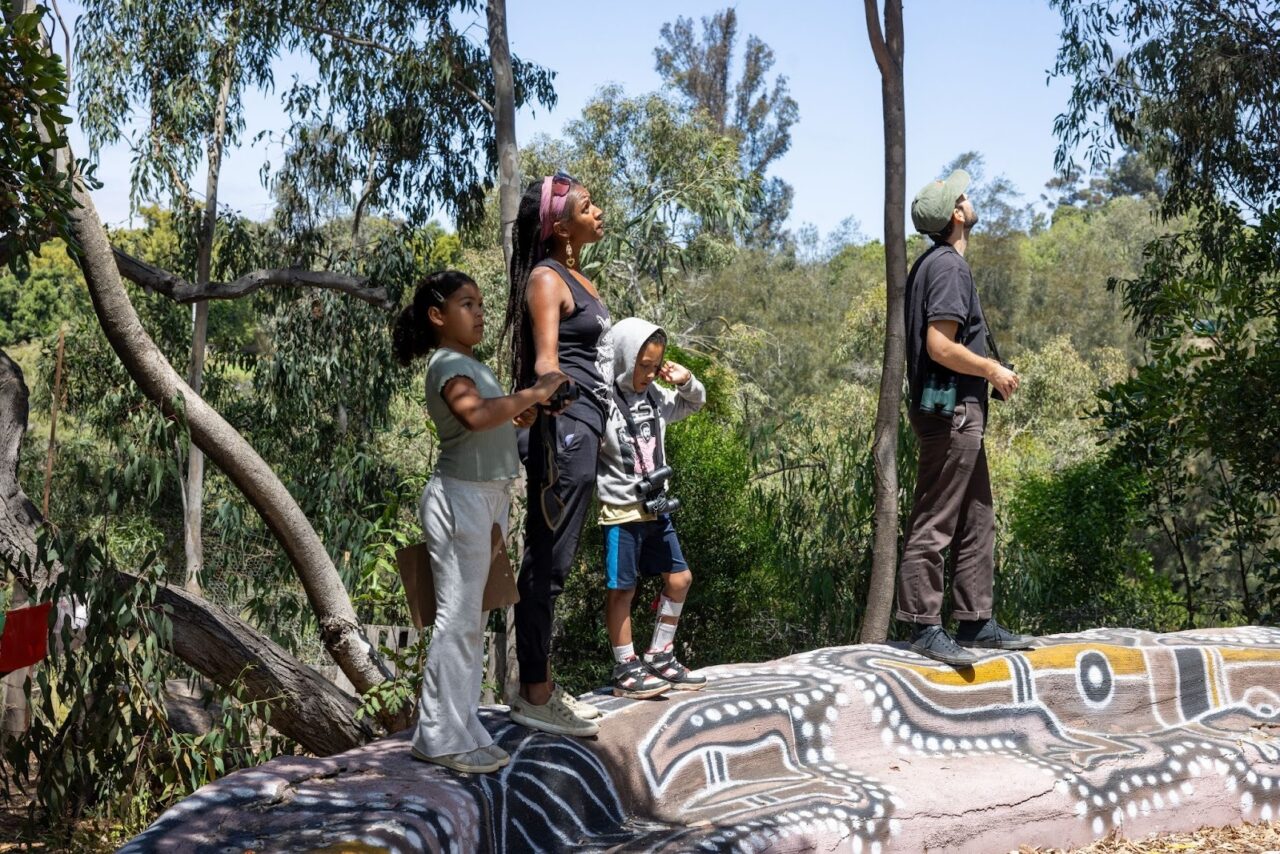
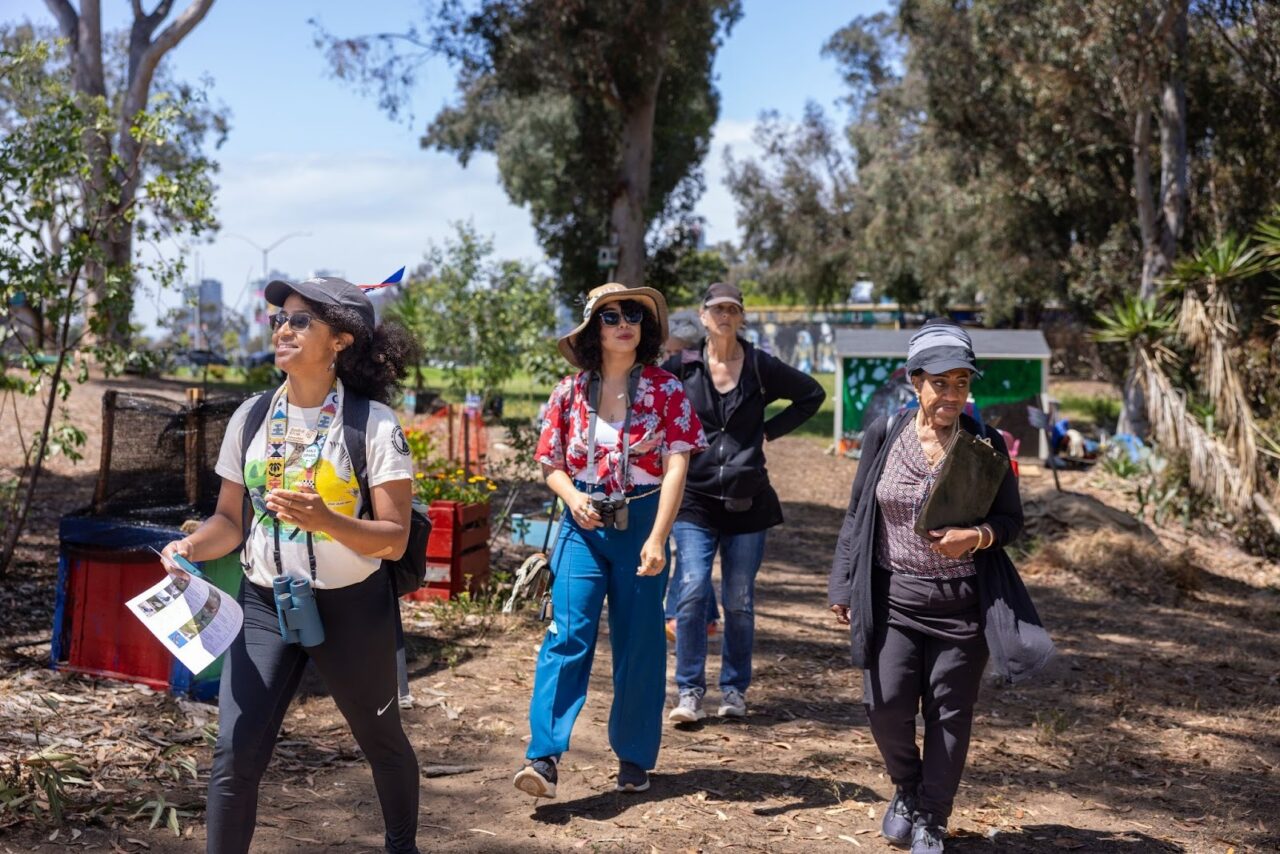
That same weekend, they held the yearly birdwalk. Organizers of the event wanted the birdwalk to be accessible and convenient for participants. Then, participants were divided into two groups to walk. Led by Black birder, Tammah Watts, members of the San Diego Bird Alliance, and So Cal Bird Nerds, participants enjoyed using their eyes and ears to identify birds along the walk with many using the Merlin app as a helpful tool. Returning participants have continued to utilize Merlin. Participants left with the feeling “I am a birder now.” This powerful experience strengthens the connection of the multicultural community to nature through storytelling and a shared loved for birdwatching.


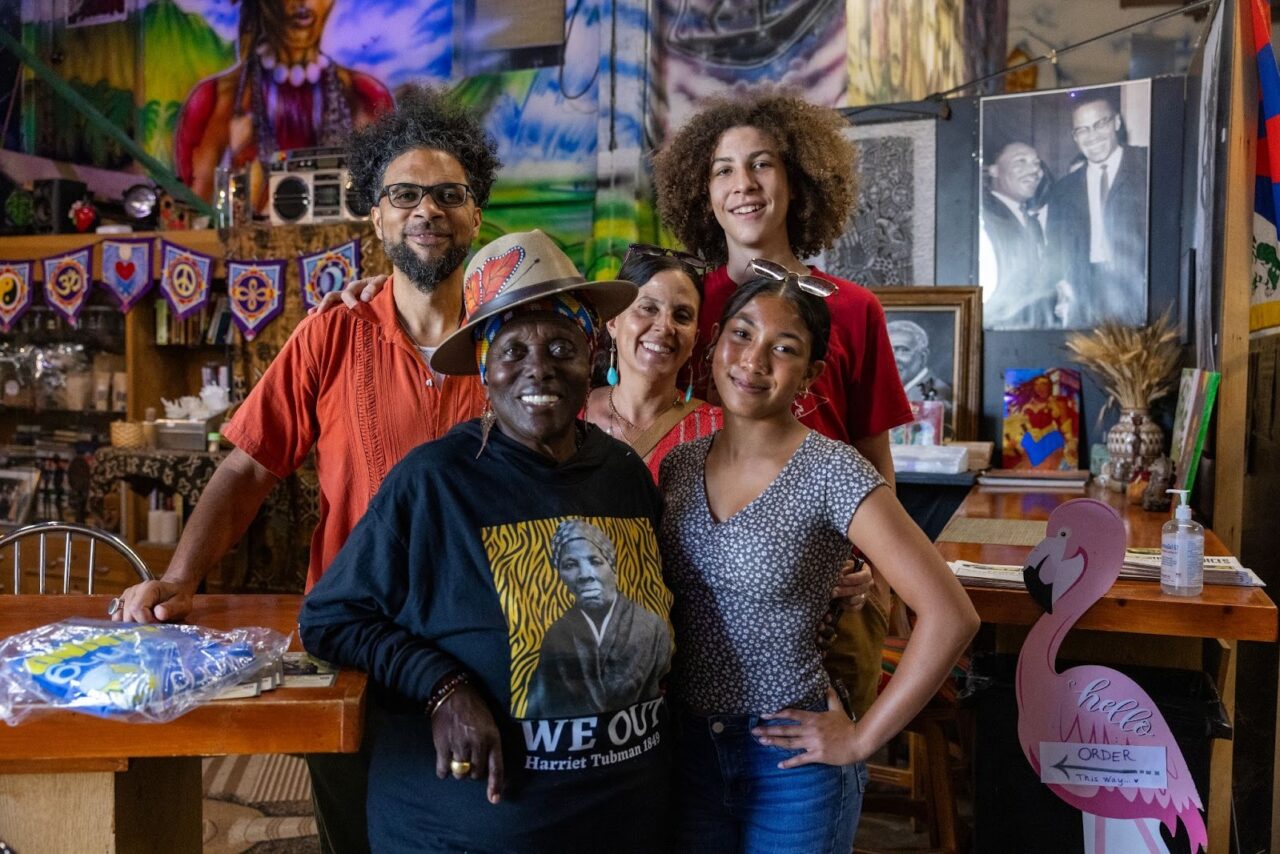
According to Makeda Cheatom, the founder of WorldBeat Cultural Center, they can see the seeds they planted years ago finally flowering, and this is not just referring to their habitat restoration efforts. Participants from previous years come back, new participants join, WBC has been able to partner with other local organizations, such as the San Diego Birding Alliance, the Dark Sky Network, and the YMCA. Also, importantly, through the habitat restoration and outreach efforts of WorldBeat, BIPOC in the San Diego community and participants from other areas are exposed to an abundance of nature not prevalent in urban settings. In WorldBeat’s backyard and garden, they can experience waterfalls, flowers, Monarch butterflies, and birds. Through this event every year, BIPOC in their local, urban community learn about and appreciate nature, birds, and more of their cultural history. They leave with a sense that this is important, it’s part of their history, and a tool for liberation, then and now.

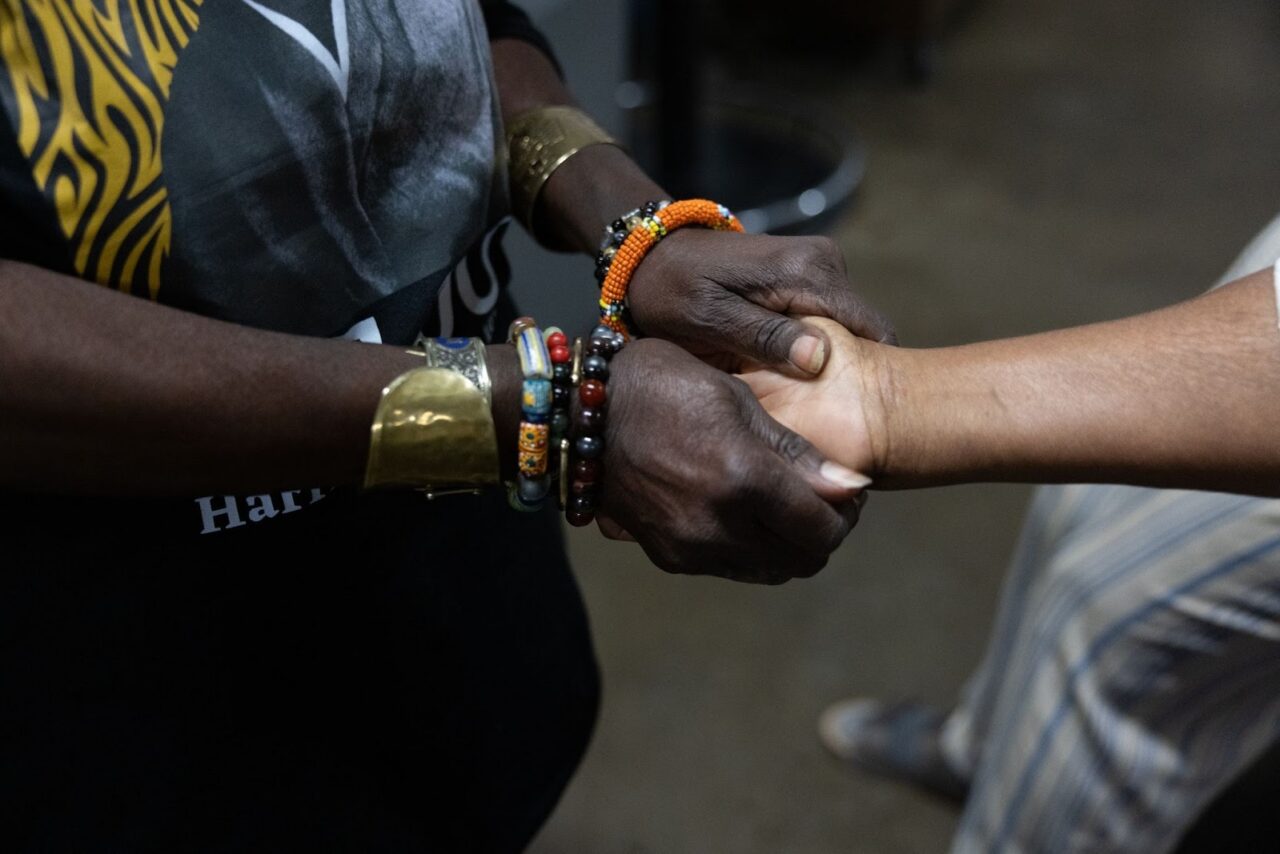
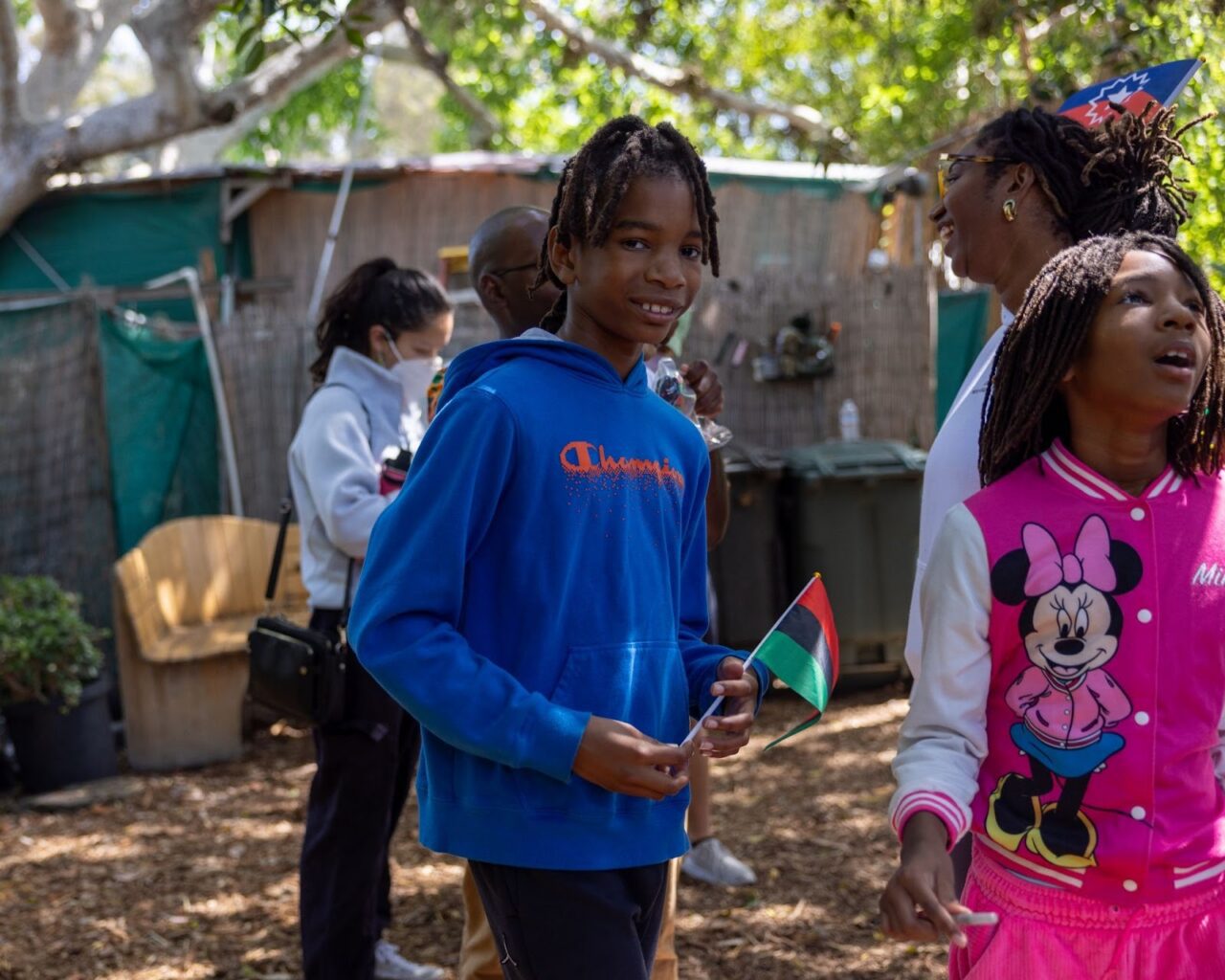
Photos courtesy of WorldBeat Center
Written by Caroline Pontaoe